Don't invest unless you're prepared to lose all the money you invest. This is a high-risk investment and you are unlikely to be protected if something goes wrong. Take 2 minutes to learn more.

October 02, 2026

Our Predictions for the Autumn Budget 2026

The tax changes and what this means for your money
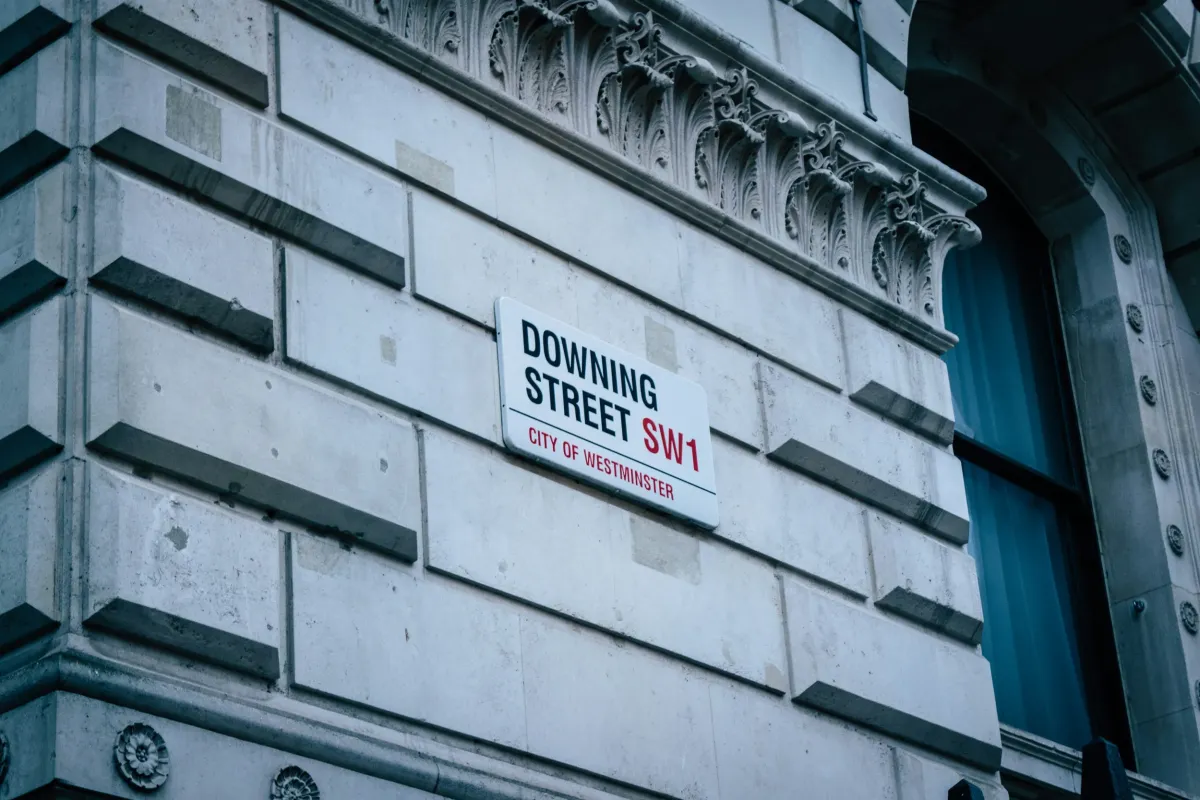
In case you haven’t realised, it's autumn. The leaves are starting to fall from the trees, the temperatures are dropping, and the hotly anticipated Autumn Budget is right around the corner. As is commonplace nowadays, leaks and rumours are rife and LinkedIn is full of people trying to predict what will be announced and how it will impact investors and founders alike. I, too, have decided to be one of those people.

This is now Labour's third Budget, and below we'll take a look at what we believe they're likely to announce, what's been rumoured, and what we shouldn't expect to see.

What are we likely to see?

Capital Gains Tax (CGT) Hikes

Ever since Labour won their landslide in 2024, there's been constant chatter around if and how they'll change CGT rates. In their first post-election Budget, they raised the rate of CGT from 10% to 18% for the lower rate and 20% to 24% for the higher rate. I'd expect to see this rise again on 28th October, given the government and its supporters have been vocal in stating that "wealth is taxed more lightly than work." Whether it's fully brought up to equalise with income tax rates remains to be seen, but investors should expect a jump.

Verdict: Likely.

Raising Income Tax Personal Allowance

This one's more finely balanced than it looked a few weeks ago. The government has long spoken about raising the tax-free personal allowance, frozen since 2021, and Burnham himself has said the "frustration about the personal allowance" he heard on the campaign trail is "lodged in his mind." He's since pulled back from anything resembling a commitment, calling it "difficult given the financial circumstances". Analysts have put the cost of a meaningful rise at somewhere in the region of £35bn, which is precisely the kind of number that makes a Chancellor go quiet. The equalisation of CGT to income tax rates would help fund a chunk of that, but I'd stop short of calling this one nailed on.

Verdict: Possible.

What is a possibility?

Inheritance Tax Movements

After the politically costly and deeply unpopular changes to pensions were announced at the last Budget, there's a chance Andy Burnham and John Healey may seek to regain some of that lost political capital by tinkering with this policy. Some have been pushing them to go even further and abolish Inheritance Tax completely, replacing it with a 10% social care levy that's long been a favourite policy of Burnham's. If I were a (successful) betting man, I'd say IHT gets left alone for now, as financial planners and investors alike have been gearing up for the changes due to land in April 2027.

Verdict: Unlikely.

Wealth Taxes

Again, I'd probably file this under "unlikely," but it's worth a mention given the rising public support for the policy. A number of Labour MPs and party supporters have campaigned for a 2% levy on all assets over £10m. Exactly how much this would raise is disputed. The policy faces severe cabinet opposition and would be scrutinised heavily by the press and opposition benches alike.

Verdict: Unlikely.

What are we not likely to see?

Big 3 Tax Rises

In 2024, Labour promised not to raise any of the big three taxes: Income Tax, National Insurance (on people), and VAT. Burnham has already pledged not to break this manifesto promise, and I'd be shocked if he went back on his word now. He's promised to be a government for "working people" (definitions of this term vary), and messing around with these taxes would be anything but.

Verdict: Definitely not.

Triple Lock

A policy gaining support across the political spectrum is the removal of the triple lock on pensions. For those unaware, this means state pensions rise at the highest of inflation, 2.5%, or wage growth. This is increasingly unaffordable, and the state pension now accounts for roughly 40% of the social care and welfare budget. Given Labour's first course of action as a government was to means-test the winter fuel allowance, a policy on which they later U-turned, I'd be surprised if they take this course of action on something that hits pensioners even harder. Yet. 

N.B: in full transparency this was written before Andy Burnham’s conference speech in which he announced the removal of the triple-lock.

What does this mean for your money?

Neither I nor Love Ventures are qualified tax advisors. However, smart investors are looking at ways to make their money work for them. Asset classes such as VCTs and EIS allow investors to back UK companies while benefiting from tax breaks and long-term growth. If there's one thing investors hate, it's uncertainty. With EIS locked in until at least 2035, there's at least one tax-efficient asset class that's here to stay.

If you'd like to hear from the professionals, we'll be hosting a webinar with Tom Wilde, Head of Tax Advantaged Investments at Shoosmiths LLC, the day after the Budget on 29 October. Sign up via the link here.